Tow Trucking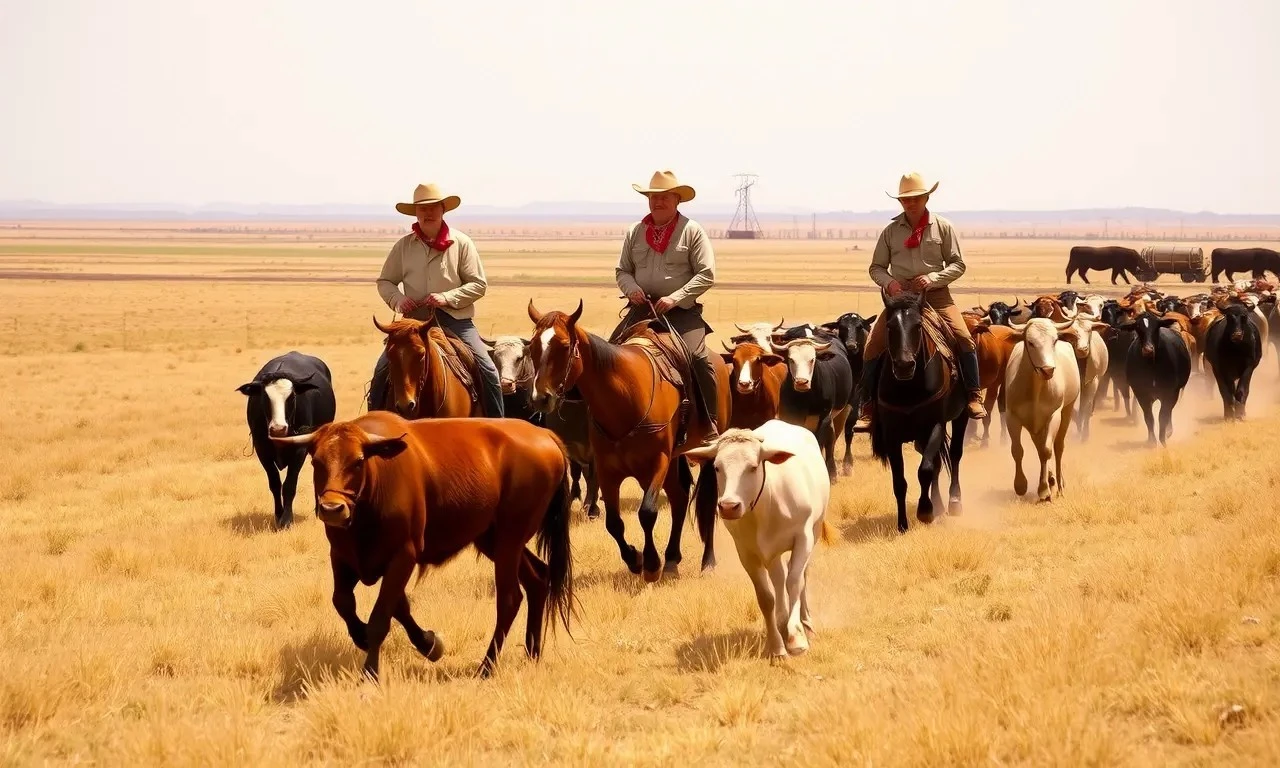
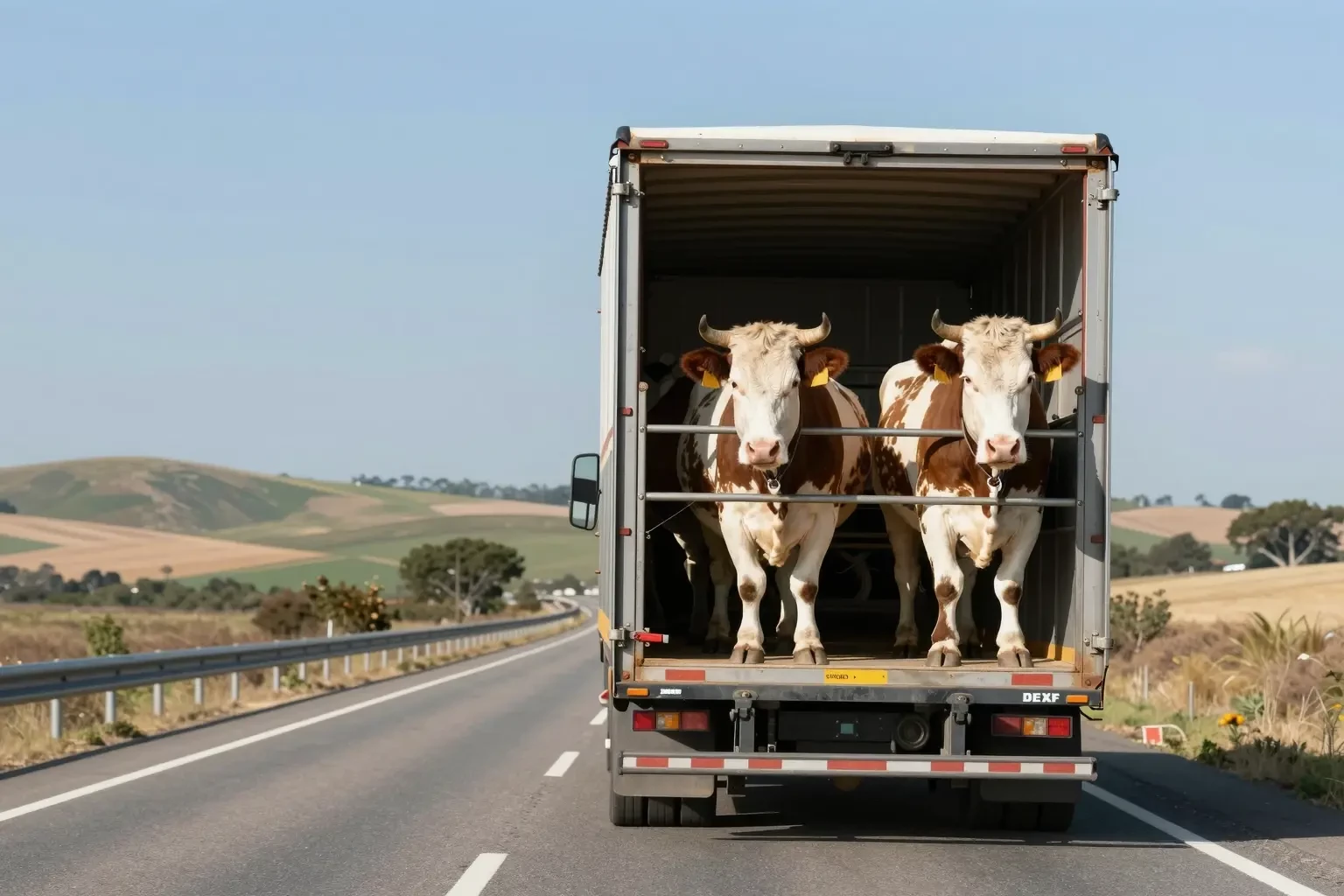
The transportation of cattle from Texas to the eastern markets was a monumental task that shaped the American West’s economy and culture. This endeavor involved a network of cattle drives, railroads, and the hard work of cowboys and drovers, who drove livestock across vast distances. Let’s explore the intricate processes and key elements that defined this significant chapter in history.
The Origin: Texas and Its Cattle
Texas, with its expansive ranches and fertile grazing lands, was the epicenter of cattle production in the 19th century. The region was home to the iconic Texas longhorns, a breed renowned for its hardiness and adaptability. These cattle were the backbone of the burgeoning beef industry, which sought to meet the growing demand for beef in the eastern United States.
Cattle Ranches and Herding
Ranches in Texas were vast and required significant manpower for herding. Cowboys, skilled in managing livestock, played a crucial role. They were responsible for rounding up cattle, marking them, and preparing them for the long journey to the markets. This preparation was essential for the success of cattle drives, where the aim was to move large herds across difficult terrains.
The Cattle Drives: Trails to the Railheads
Cattle drives were the primary method of transporting livestock from Texas to the railheads, where they could be shipped to eastern markets. These drives typically followed well-established trails, with the Chisholm Trail and the Great Western Cattle Trail being among the most famous.
The Chisholm Trail
The Chisholm Trail was a key route used from the late 1860s to the 1880s. It stretched from south Texas, through Oklahoma, and up to Kansas. The trail was named after Jesse Chisholm, a trader who had blazed much of the route. It became a vital artery for moving cattle to railheads in Abilene, Kansas, which was a major shipping point.
The Great Western Cattle Trail
The Great Western Cattle Trail, also known as the Texas Trail, was another major route. It ran parallel to the Chisholm Trail, but further west, reaching into Nebraska. This trail allowed drovers to avoid overcrowding on the Chisholm Trail and provided additional access to northern railheads.
Challenges of the Trail
The cattle drives were fraught with challenges. Cowboys faced harsh weather conditions, river crossings, and the threat of livestock rustling. They had to maintain the health of the cattle and ensure they reached the railheads in good condition. Trail bosses, experienced leaders, coordinated these drives, managing both the men and the cattle.
The Role of Railroads
The advent of railroads revolutionized the transportation of cattle. Railroads provided an efficient means to move large quantities of livestock to the east, reducing the time and risks associated with long cattle drives.
Railheads and Shipping
Railheads were crucial hubs for loading cattle onto trains. Towns like Abilene, Kansas, became bustling centers of cattle shipping. Stockyards and cattle pens were constructed to manage the influx of livestock, and the railroads facilitated quick transport to eastern stockyards and markets.
Impact on the Beef Industry
The integration of railroads into cattle transportation had a significant impact on the beef industry. It allowed for the rapid expansion of beef markets in the eastern United States, contributing to the growth of cities and the rise of modern meatpacking industries.
The Decline of the Cattle Drives
By the late 19th century, the traditional cattle drives began to decline. Several factors contributed to this shift, including the expansion of railroads, the introduction of barbed wire fencing, and changes in land use policies; As railroads extended deeper into Texas, it became more practical to transport cattle directly from ranches to railheads, eliminating the need for long drives.
The Legacy of the Cowboys and Drovers
Despite the decline of cattle drives, the legacy of the cowboys and drovers endures. They are celebrated as iconic figures of the American West, symbolizing a time of adventure, resilience, and the spirit of the frontier. The skills and traditions they developed continue to influence modern ranching and livestock management.
The transportation of cattle from Texas to the east was a pivotal chapter in American history. It was a complex process that involved the coordination of ranches, trails, railroads, and markets. The cattle drives and the development of rail transportation were instrumental in shaping the beef industry and the economic landscape of the United States. As we reflect on this period, we recognize the enduring impact it had on the nation, both economically and culturally.