Tow Trucking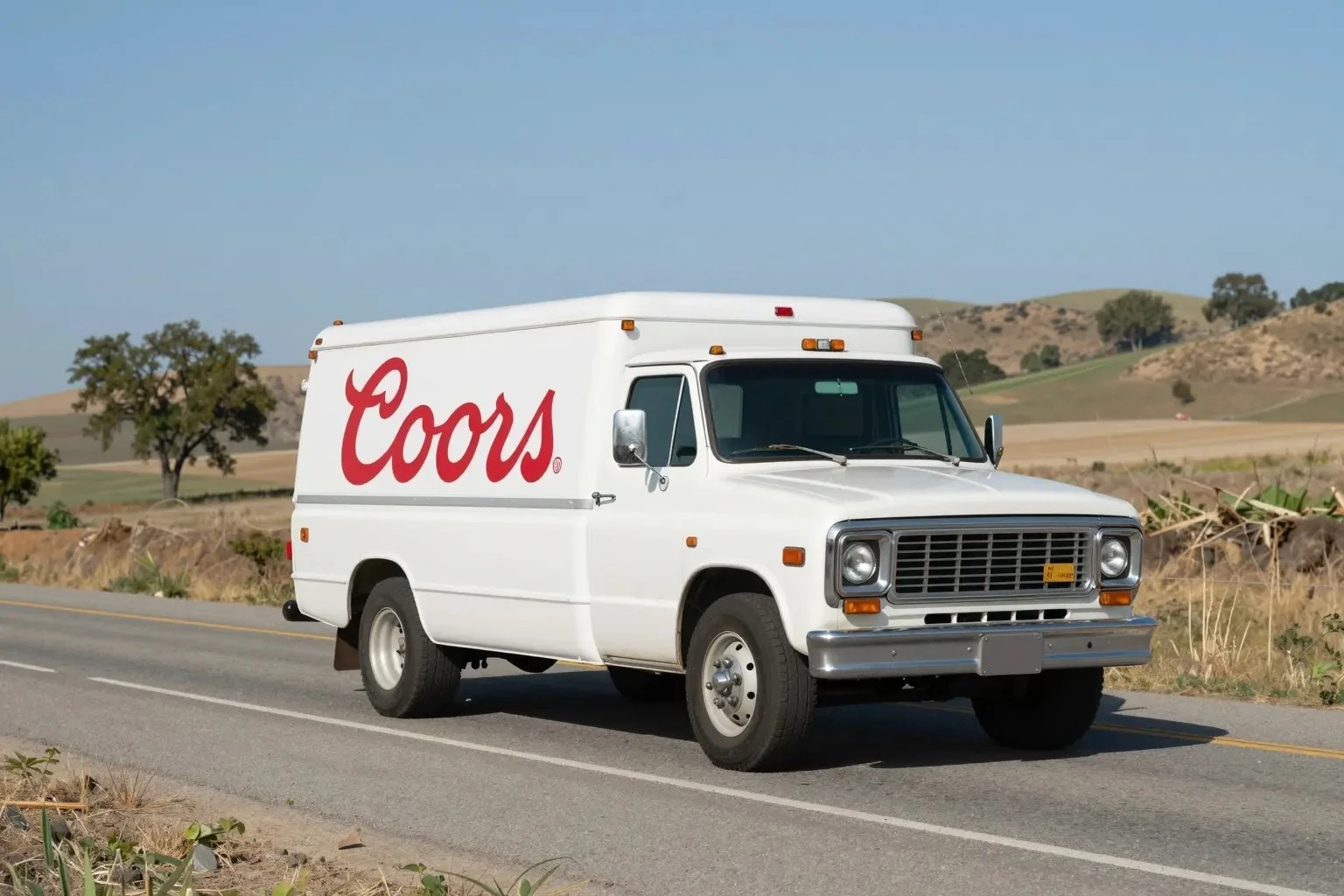
The intriguing history of Coors beer and its distribution, especially in the context of the United States’ shifting legal landscape, offers a fascinating look into how regulations, market demand, and cultural phenomena intertwine. This article delves into the past, examining whether it was illegal to transport Coors beer east of Texas and the factors contributing to this scenario.
The Historical Context of Prohibition and Its Aftermath
To understand the complexities surrounding Coors beer’s distribution, it’s essential to consider the broader historical context of Prohibition in the United States. The 18th Amendment, enacted in 1920, prohibited the manufacture, sale, and transportation of alcoholic beverages, profoundly affecting the brewing industry. Although Prohibition was repealed in 1933 with the 21st Amendment, its legacy continued to influence state laws and regulations, leading to a patchwork of restrictions across the country.
Coors Brewing Company: A Legacy of Quality
Founded in 1873 by Adolph Coors and Jacob Schueler in Golden, Colorado, the Coors Brewing Company quickly established a reputation for producing high-quality beer. Known for its dedication to purity and quality, Coors utilized Rocky Mountain spring water, which became a hallmark of its brewing process. This commitment to excellence garnered a loyal following, but it also posed unique challenges in terms of distribution.
State Laws and Distribution Restrictions
After the repeal of Prohibition, states were granted the authority to regulate alcohol distribution within their borders. This led to a diverse array of laws and regulations, often making interstate transport of alcohol complex. For Coors, these regulations meant that its beer was primarily available in the western United States, with Texas serving as a significant easternmost point for legal distribution for many years.
Licensing and Market Availability
One of the primary reasons for Coors’ limited distribution was its choice not to pursue licensing in certain states. The company opted to focus on quality over quantity, adhering to strict brewing standards that made large-scale distribution challenging. Consequently, Coors beer became a rarity in states east of Texas, sparking a unique demand and allure;
The Myth and Reality of Coors Bootlegging
The scarcity of Coors beer in the eastern United States gave rise to a cultural phenomenon and the perception that transporting Coors beer east of Texas was illegal; While it was not illegal per se, the lack of distribution rights and licenses in eastern states meant that any transport of Coors beer across state lines for resale without proper licensing was indeed illegal, thus technically classifying it as bootlegging.
Interstate Transport and Legal Implications
Transporting Coors beer across state lines without the necessary distribution licenses violated state and federal laws. This led to a clandestine market where enthusiasts would drive long distances to acquire Coors beer, often bringing it back to states where it was unavailable. This fervor even inspired popular culture, most notably the 1977 film “Smokey and the Bandit,” which humorously depicted the bootlegging of Coors beer.
Changes in Brewing and Distribution Laws
Over time, changes in state laws and the brewing industry landscape allowed Coors to expand its distribution. The gradual relaxation of interstate alcohol transport regulations and the increased demand for Coors in the east prompted the company to pursue broader distribution licensing. By the late 20th century, Coors had successfully entered markets across the United States, making its beer readily available nationwide.
Supply, Demand, and Market Dynamics
The initial scarcity of Coors beer created a unique market dynamic, where limited supply and high demand drove consumer interest. This phenomenon highlights the intriguing interplay between market availability and cultural allure, showcasing how perceived exclusivity can fuel consumer behavior.