Tow Trucking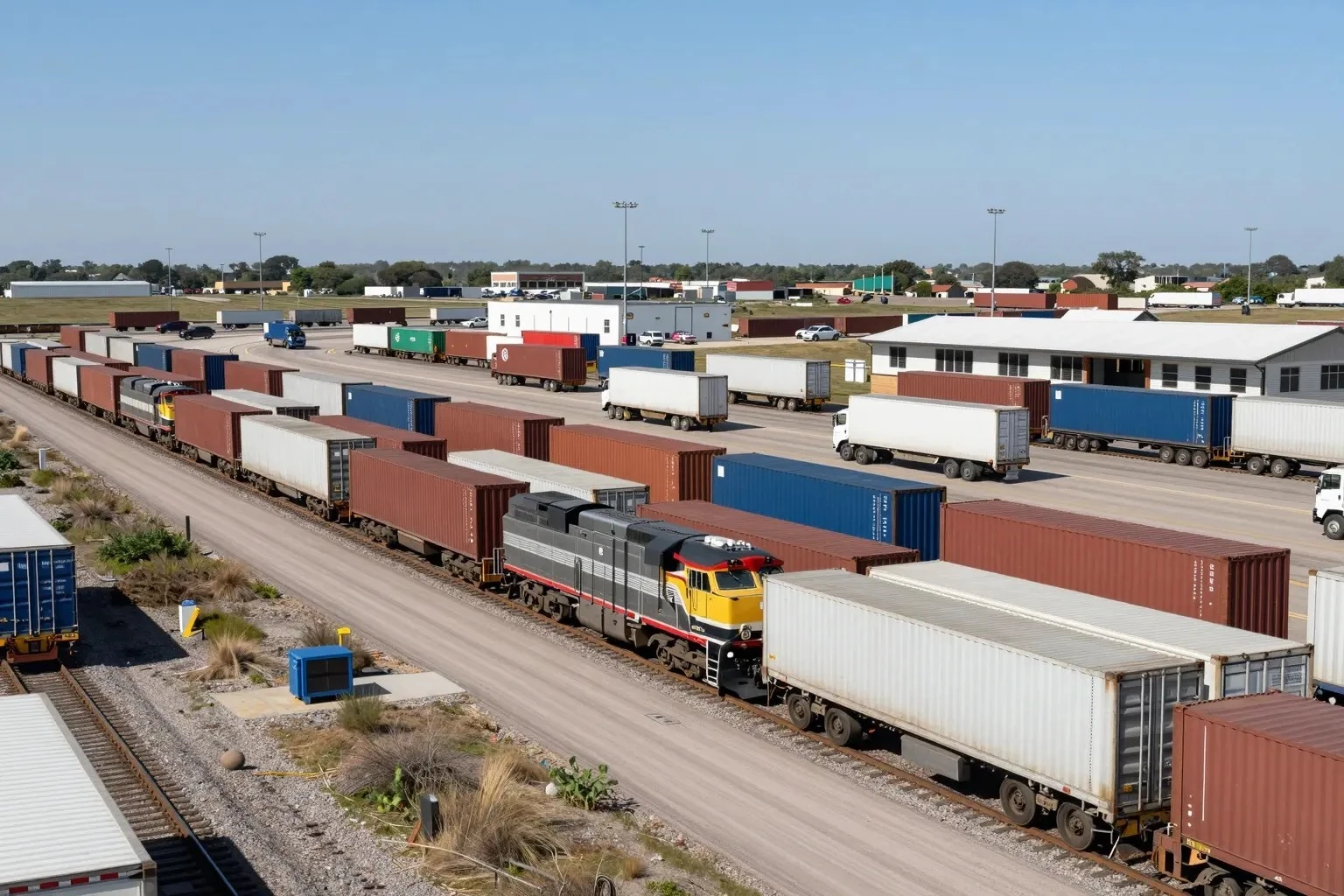
The state of Texas, known for its vast landscapes and booming economy, plays a pivotal role in the logistics and freight industry in the United States. One of the key components of this industry is intermodal transportation, a method that utilizes multiple modes of transport to move goods efficiently. This article will delve into the intricacies of intermodal transportation within the Texas economy, exploring its impact on freight, supply chain, and overall transport network.
The Concept of Intermodal Transportation
Intermodal transportation refers to the use of two or more modes of transport to move cargo from origin to destination. This system leverages the strengths of each mode, ensuring efficiency and cost-effectiveness. Typically, intermodal transport involves a combination of rail transport, trucking, and shipping containers, seamlessly connecting different segments of the supply chain.
Key Elements of Intermodal Transportation
- Rail Transport: Railroads play a critical role in moving large volumes of freight across long distances. In Texas, rail transport offers a reliable and cost-effective solution for bulk shipments.
- Trucking: Trucks provide the flexibility needed for last-mile delivery, ensuring goods reach their final destinations. Trucking is integral to the intermodal network, especially in a vast state like Texas.
- Shipping Containers: Standardized containers allow for easy transfer of cargo between ships, trains, and trucks, enhancing the efficiency of the intermodal system.
Infrastructure and Interconnectivity in Texas
Texas boasts a robust infrastructure that supports intermodal transportation. The state’s extensive network of highways, railroads, and ports facilitates seamless movement of goods, ensuring that the Texas economy remains competitive on a national and global scale.
Key Infrastructure Components
- Highways: Texas is home to an expansive highway system that links major cities and rural areas, providing critical connectivity for trucking operations.
- Ports: Texas ports, such as the Port of Houston, serve as vital gateways for international trade, handling millions of tons of cargo annually.
- Railroads: The state’s railroads are integral to its freight network, offering efficient long-distance transport options that complement trucking and shipping.
Multimodal Distribution and Warehousing
Multimodal distribution centers and warehousing in Texas are designed to facilitate the smooth transition of goods between different transport modes. These facilities are strategically located near major transportation hubs to optimize logistics operations and reduce freight costs.
Benefits of Multimodal Distribution
- Efficiency: By utilizing multiple transport modes, companies can optimize transit times and reduce overall transport costs.
- Flexibility: Multimodal solutions provide flexibility in routing and scheduling, allowing for adjustments based on demand and other factors.
- Reduced Environmental Impact: By maximizing rail and shipping container usage, intermodal transport reduces the carbon footprint associated with freight movement.
The Role of Transportation Hubs in Texas
Transportation hubs in Texas, such as Dallas-Fort Worth and Houston, are critical to the state’s intermodal transportation framework. These hubs act as convergence points for various modes of transport, streamlining operations and enhancing interconnectivity within the supply chain.
Impact on the Texas Economy
Intermodal transportation significantly contributes to the Texas economy by improving logistics efficiency and supporting the state’s position as a leading trade hub. By leveraging its extensive infrastructure and strategic location, Texas facilitates the movement of goods across the country and beyond, ensuring sustained economic growth.
Challenges and Future Prospects
Despite its advantages, intermodal transportation in Texas faces challenges such as infrastructure maintenance, congestion, and regulatory issues. Addressing these challenges is crucial to maintaining the efficiency and competitiveness of the state’s transport network.
Future Developments
As Texas continues to grow, investments in infrastructure and technology will be essential to support the evolving needs of intermodal transportation. Innovations such as automated freight handling and real-time tracking systems are expected to enhance the efficiency and reliability of intermodal operations.
Intermodal transportation is a cornerstone of the Texas economy, enabling efficient freight movement and bolstering the state’s logistics capabilities. By leveraging its strategic infrastructure and embracing technological advancements, Texas is well-positioned to continue leading in the realm of intermodal transport, ensuring its economy remains robust and competitive on the global stage.