Tow Trucking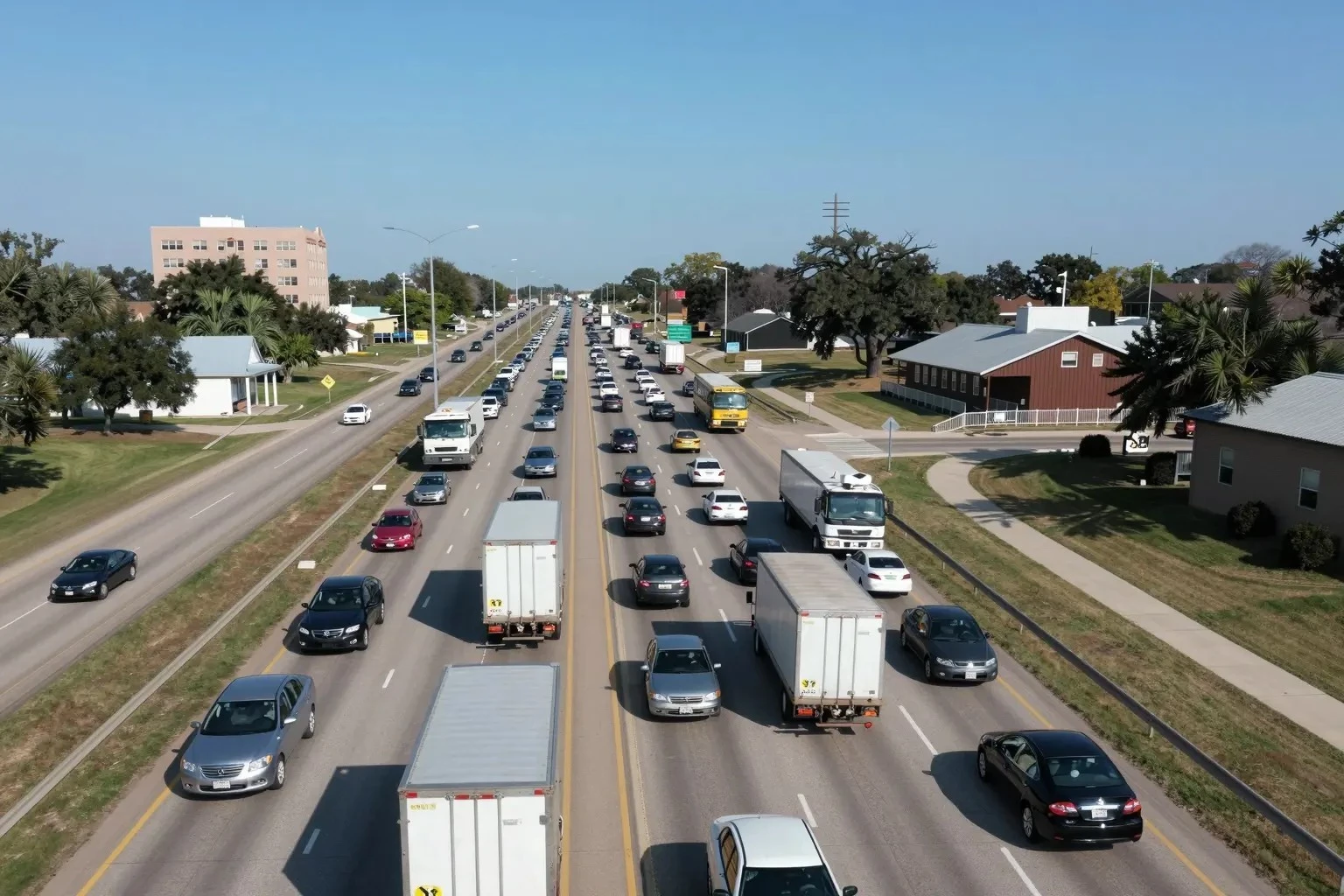
Texas, a vast and vibrant state known for its economic growth and cultural diversity, is grappling with significant transportation challenges. As the state’s population continues to grow, the strain on its transportation systems becomes increasingly evident. In this article, we will explore the central transportation issue facing Texas today, focusing on traffic congestion, infrastructure, and the impact of urbanization.
Traffic Congestion: A Growing Concern
One of the most pressing transportation issues in Texas is traffic congestion, particularly in urban areas like Houston, Dallas, and Austin. With rapid population growth and increased vehicle ownership, the existing road networks are under immense pressure. Commuter delays have become a routine part of life for many Texans, affecting productivity and quality of life.
The Role of Infrastructure and Urbanization
The state’s infrastructure has struggled to keep pace with the demands of urbanization. As more people move to Texas cities, the need for efficient transportation systems becomes more critical. However, the current infrastructure often lags behind, leading to bottlenecks and increased travel times.
Public Transit: An Underutilized Resource
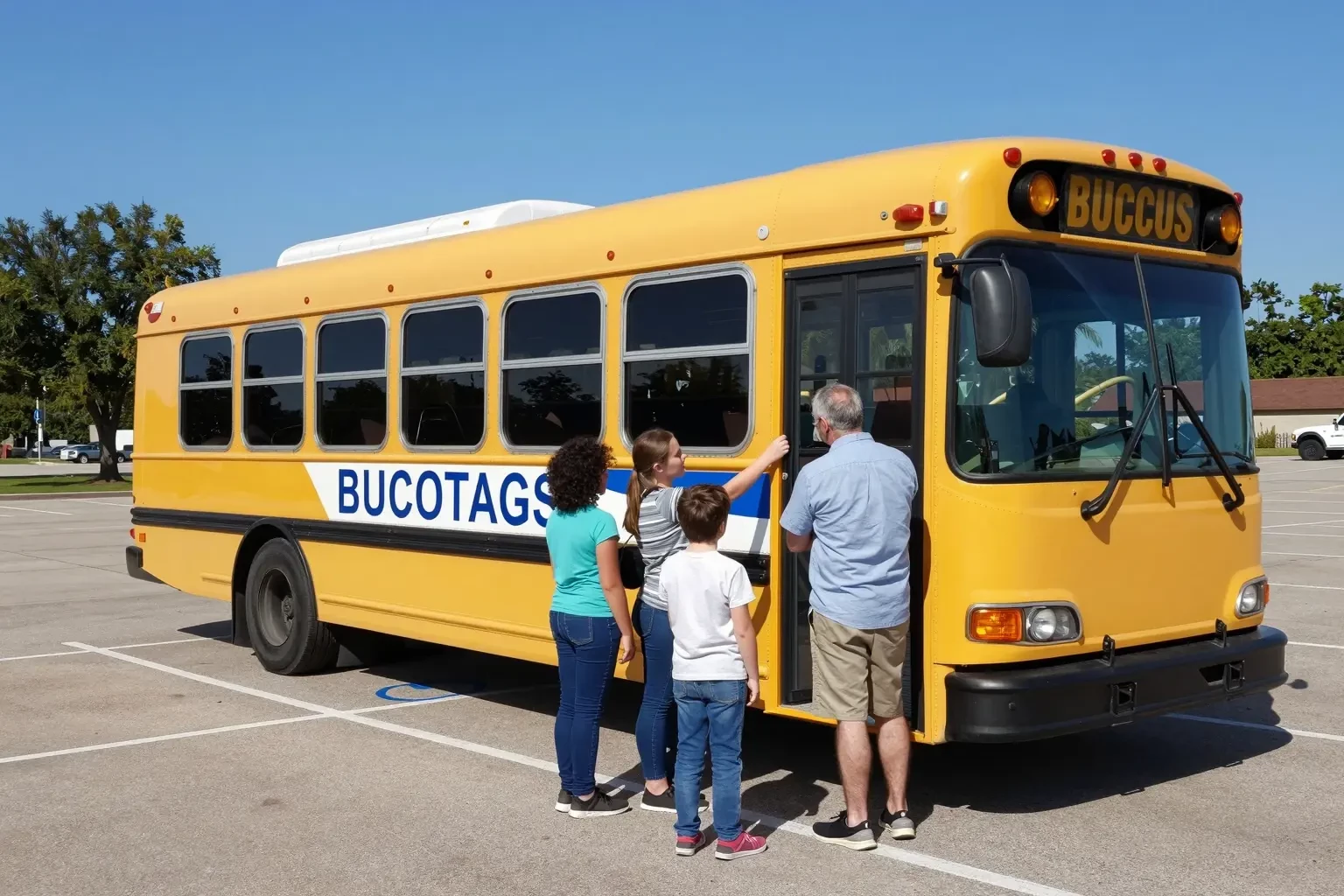
While public transit could offer a solution to reduce traffic congestion, it remains underutilized in Texas. Investments in public transportation systems like buses and light rail have not been sufficient to meet the needs of the growing urban population. Enhancing public transit could alleviate pressure on road networks and provide a sustainable alternative for commuters.
The Challenge of Road Maintenance
Another critical issue is road maintenance. As the state’s highways and roads age, the need for maintenance and upgrades becomes more pressing. Deteriorating road conditions not only contribute to congestion but also pose safety risks and increase vehicle operating costs.
Transportation Funding: A Key Factor
A significant challenge in addressing these issues is securing adequate transportation funding. With limited budgets, prioritizing projects that offer the maximum benefit becomes essential. The debate over funding mechanisms, such as toll roads and state or federal allocations, continues to shape the future of Texas’s transportation infrastructure.
Highway Expansion vs. Sustainable Transport
To address congestion, some advocate for highway expansion. However, this solution often faces criticism due to its environmental impact and the potential for inducing more traffic—known as induced demand. There is a growing call for sustainable transport solutions that balance mobility with environmental concerns.
Environmental Impact and Mobility Challenges
The environmental impact of expanding road networks cannot be overlooked. Increased emissions from vehicles contribute to air pollution and climate change, prompting the need for cleaner transportation options. Addressing mobility challenges in an environmentally responsible manner is crucial for the state’s long-term sustainability.
Intercity Connectivity: Bridging the Gap
Improving intercity connectivity is another vital aspect of Texas’s transportation strategy. Efficient connections between major cities can enhance economic opportunities and reduce congestion in urban centers. High-speed rail and improved bus services are potential solutions to connect Texas’s urban hubs.
Traffic Management: Optimizing Flow
Effective traffic management strategies are essential to optimizing traffic flow and reducing congestion. Technologies such as intelligent transportation systems and adaptive traffic signals can play a significant role in managing traffic efficiently. By leveraging technology, Texas can improve traffic conditions and enhance the commuting experience.
The Future of Transportation in Texas
As Texas continues to grow, finding solutions to its central transportation issues is more critical than ever. Sustainable transport options, such as improved public transit and environmentally friendly technologies, offer a promising path forward. Collaborative efforts between government agencies, private sector partners, and the community are essential to shaping a transportation system that meets the needs of all Texans.