Tow Trucking
In Texas, Medicaid provides a crucial service known as non-emergency medical transportation (NEMT) to ensure that patients can access healthcare facilities for their medical appointments. This service is essential for many beneficiaries who may not have access to private vehicles or public transportation. However, the system is not without its challenges, including issues related to service delays, scheduling conflicts, and eligibility concerns.
The Importance of Medicaid Transportation
The primary goal of Medicaid transportation is to improve healthcare access for individuals who might otherwise miss necessary medical appointments. This service is particularly vital in rural areas of Texas, where public transportation options are limited. By providing rides to healthcare facilities, the state program ensures that beneficiaries can receive timely care, thereby reducing the likelihood of more severe health issues that could arise from missed appointments.
How the System Works
Medicaid transportation in Texas involves a network of transportation providers who offer ride services to eligible individuals. Beneficiaries must schedule their rides in advance, coordinating with transportation providers to ensure they arrive at their healthcare appointments on time. The coordination of these rides is critical to the effectiveness of the service, as it requires precise timing to minimize wait times and optimize route planning.
Eligibility and Coverage
Not all Medicaid beneficiaries are automatically eligible for non-emergency medical transportation. Eligibility criteria may include factors such as income level, age, and specific healthcare needs. Additionally, the coverage provided by Medicaid transportation may vary, influencing which types of medical appointments are considered eligible for transportation services.
Challenges in the System
Despite its benefits, the Medicaid transportation system in Texas faces several challenges:
- Service Delays: One of the most significant issues is service delays, which can lead to patients missing their appointments. Delays might result from traffic, last-minute scheduling changes, or coordination errors.
- Scheduling Conflicts: Coordinating appointments between patients and transportation providers can be complex, especially when multiple providers are involved.
- Policy Limitations: The policies governing eligibility and coverage may not always align with the needs of all beneficiaries, leading to gaps in service.
- Transportation Provider Challenges: Providers may face logistical issues, such as vehicle shortages or staffing problems, which can impact service delivery.
Improving the System
To address these challenges, Texas is continually working to enhance the Medicaid transportation system. Improvements might include:
- Better Coordination: Implementing advanced scheduling systems that can dynamically adjust to changes and optimize routes.
- Policy Revisions: Reviewing and updating policies to ensure they meet the evolving needs of Medicaid beneficiaries.
- Increased Provider Support: Offering incentives and support to transportation providers to ensure they can meet demand effectively.
The Role of Technology
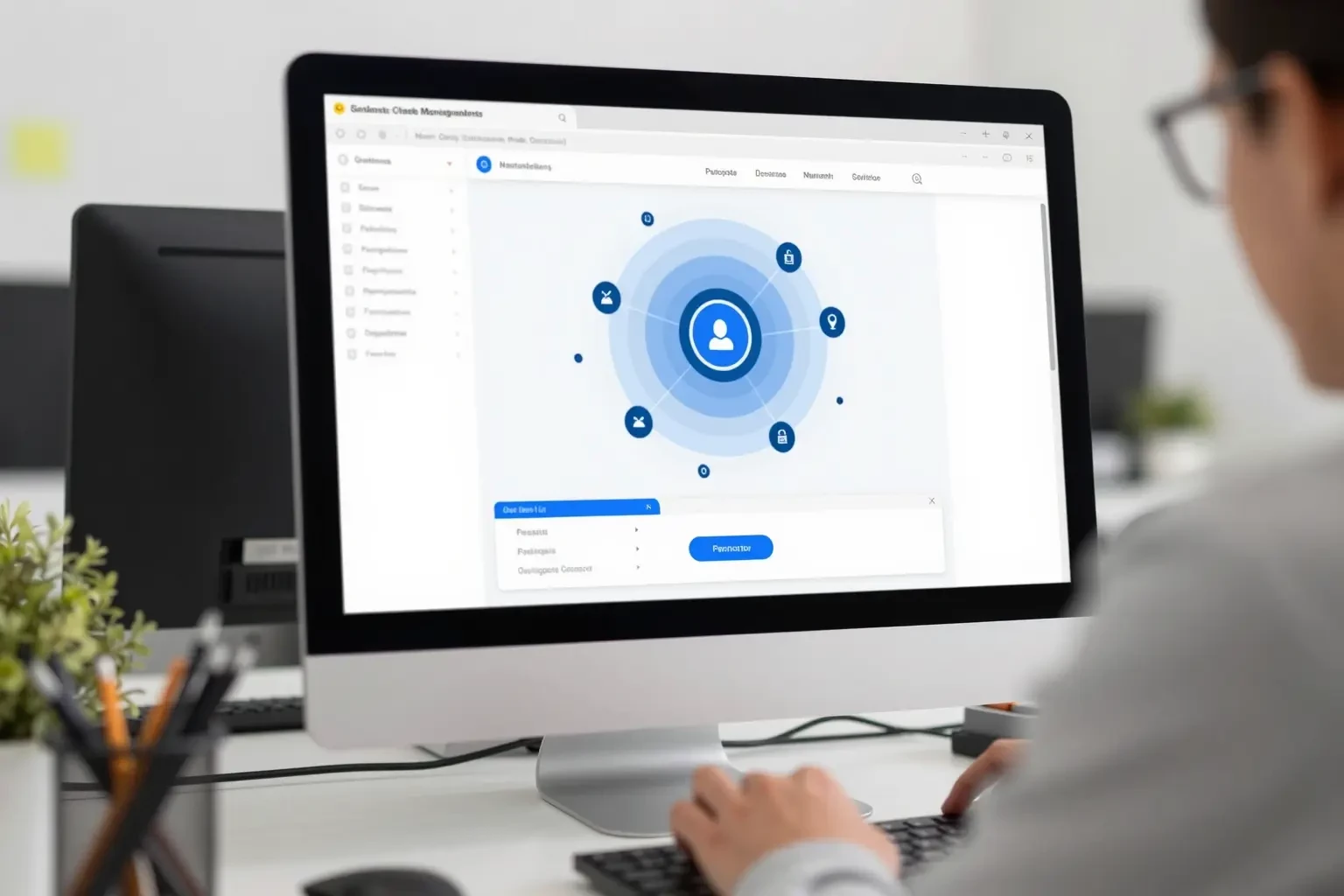
Technology plays a pivotal role in improving Medicaid transportation services. By leveraging digital platforms, the state can enhance coordination and accessibility, ensuring that all beneficiaries receive timely transportation to their medical appointments. For instance, real-time tracking systems can help monitor ride progress and reduce service delays by allowing for real-time adjustments in scheduling.
Medicaid transportation in Texas is a vital service that supports the health and well-being of many individuals. While the system faces several challenges, ongoing efforts to improve coordination, enhance policy, and support transportation providers are crucial steps toward ensuring that all Medicaid beneficiaries receive the care they need. By addressing these issues, Texas can continue to provide reliable and efficient transportation services, ensuring that patients can access the healthcare facilities they need without unnecessary barriers.