Tow Trucking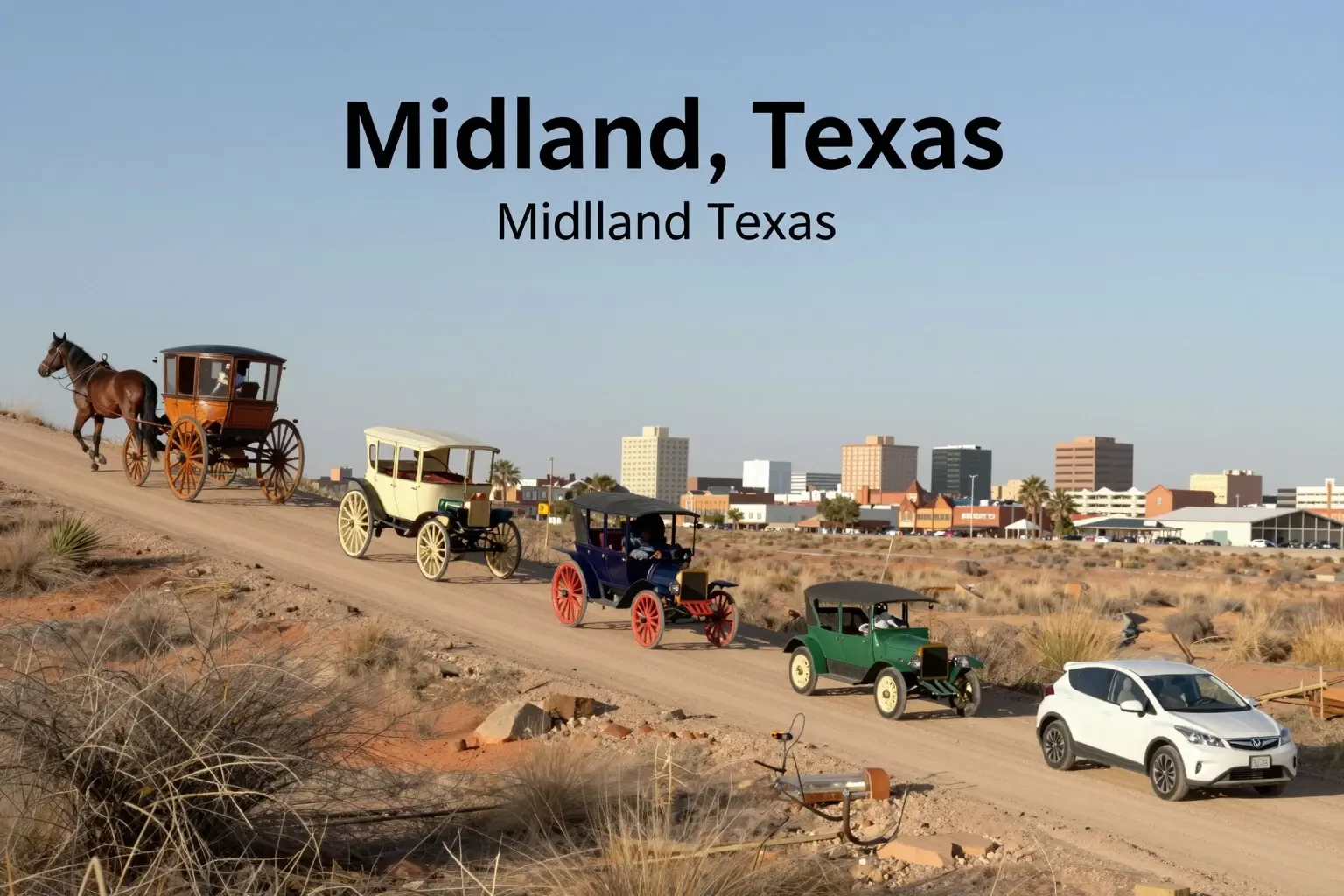
Midland, Texas, a city deeply intertwined with the oil industry, has experienced significant transformation in its transportation infrastructure over the decades. This development has been crucial to supporting the city’s economic growth and regional expansion, enhancing connectivity, and improving mobility for its residents. This article explores the evolution of transportation in Midland, focusing on highways, public transit, roads, railroads, and airports, while examining the role of urban planning and innovation in shaping the city’s future.
Historical Context and Economic Influence
The history of transportation in Midland is closely linked to the discovery of oil in the Permian Basin. The oil industry has been a driving force for regional economic growth, necessitating robust transportation infrastructure to facilitate logistics and commuting. The demand for efficient transportation networks became paramount as Midland expanded, prompting developments in various modes of transport.
Highways and Roads
Highways and roads form the backbone of Midland’s transportation system, providing essential connectivity for vehicles and freight. Key highways such as Interstate 20 and State Highway 349 are vital corridors that connect Midland to other parts of Texas and beyond. The development of these highways has been pivotal in supporting economic activities, particularly those related to the oil industry.
Urban planning initiatives have focused on expanding and maintaining road infrastructure to accommodate increasing traffic volumes. The emphasis on road development aims to alleviate congestion, improve safety, and enhance commuting efficiency within the city and its environs.
Public Transit Systems
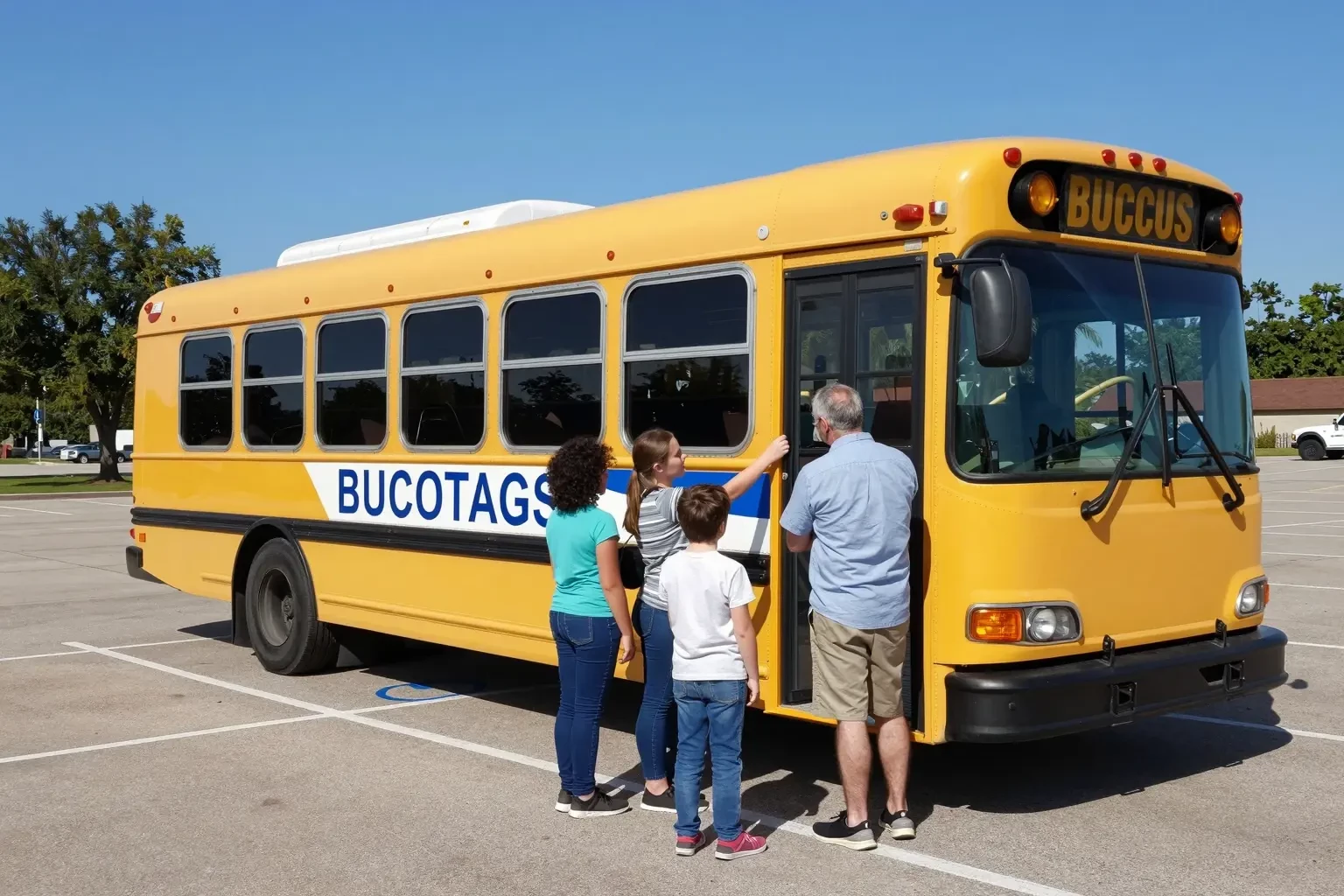
Public transit in Midland has seen gradual improvements over the years. While the city has traditionally been reliant on personal vehicles, efforts to enhance public transit options have been made to provide alternatives for commuting. The Midland-Odessa Urban Transit District, for example, offers bus services that cater to the mobility needs of residents, particularly those without access to personal vehicles.
Investments in public transit infrastructure aim to reduce traffic congestion, lower emissions, and provide equitable transportation solutions. The development of public transit is also seen as a step towards sustainable urban planning.
Railroads
Railroads have historically played a crucial role in Midland’s transportation landscape, especially in the movement of goods. The rail network facilitates the transportation of oil, agricultural products, and other commodities, contributing to the region’s economic vitality. The presence of rail infrastructure supports logistics operations and provides an alternative to road transport for bulk goods.
Airports and Air Travel
Midland International Air and Space Port is a key component of the city’s transportation infrastructure. As one of the few airports in the United States licensed for space travel, it underscores Midland’s commitment to innovation and expansion in air travel. The airport connects the city to major hubs, facilitating both passenger travel and cargo logistics.
Air travel is integral to Midland’s connectivity, enabling swift commuting and business travel, while also supporting the regional economy’s integration with national and global markets.
Challenges and Future Prospects
Despite significant advancements, Midland faces challenges in its transportation development. Traffic congestion, particularly during peak hours, remains a concern. Urban planners are tasked with finding innovative solutions to these issues, incorporating smart technology and sustainable practices into transportation infrastructure.
Future prospects for transportation in Midland include further expansion of public transit systems, enhancement of road networks, and continued investment in airport facilities. Emphasizing sustainable and efficient logistics will be crucial as the city navigates its growth trajectory.
Regional and Urban Planning Initiatives
Regional and urban planning initiatives are central to Midland’s transportation development. Planners focus on creating integrated transport systems that support economic growth while preserving the quality of life for residents. Initiatives include the development of multimodal transport hubs, pedestrian-friendly infrastructure, and smart city technologies.
Collaboration between government entities, private stakeholders, and the community is essential in achieving these goals. The alignment of transportation strategies with broader urban planning objectives ensures that Midland’s infrastructure can accommodate future demands.
The Role of Innovation in Transportation
Innovation is a driving force in Midland’s transportation sector. From advancements in vehicle technology to the integration of digital solutions in logistics, innovation enhances the efficiency and sustainability of transport systems. Midland’s position in the oil industry also presents opportunities for adopting cleaner and more efficient technologies in vehicles and fuel.
Efforts to implement smart traffic management systems and explore alternative energy sources are indicative of a forward-thinking approach to transportation development. Leveraging technology and innovation is key to addressing current challenges and enhancing Midland’s connectivity and mobility.
The development of transportation in Midland, Texas, is a testament to the city’s ability to adapt and grow in response to economic and demographic changes. With a strong foundation in highways, public transit, railroads, and air travel, Midland continues to expand its transportation infrastructure to support its thriving economy and enhance the quality of life for its residents. As the city looks to the future, strategic urban planning, innovation, and sustainable practices will be crucial in shaping a connected and mobile Midland.