Tow Trucking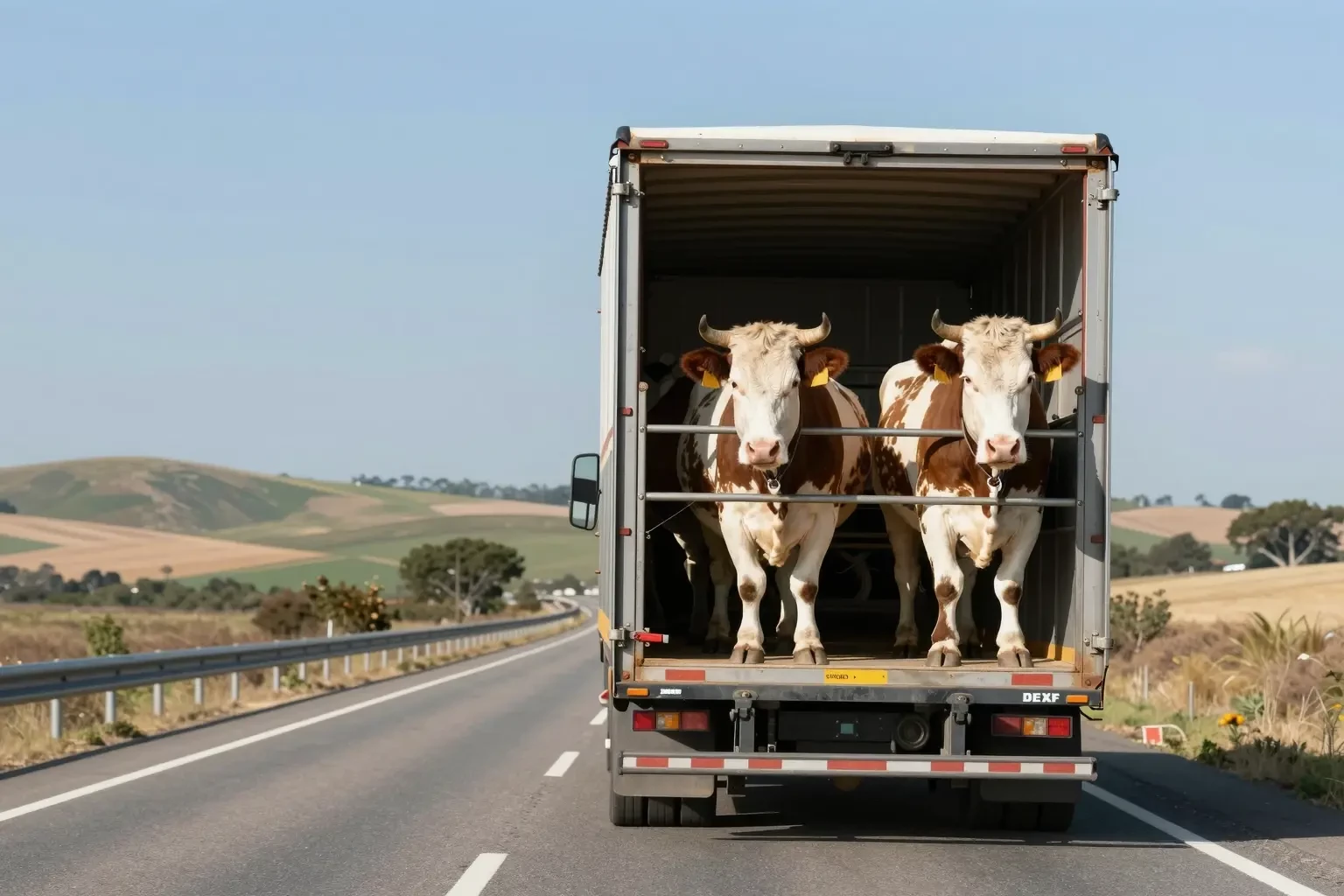
The transportation of livestock, particularly cattle, from the expansive ranches and feedlots of Texas to the bustling markets and processing facilities on the East Coast is a complex operation. It involves meticulous logistics, adherence to animal welfare regulations, and ensuring biosecurity. This article explores how cattle trucks are used in this process, the routes taken, and the safety measures in place.
Logistics of Livestock Transportation
Moving cattle across states requires detailed planning and logistics. Transport companies specializing in livestock are tasked with coordinating the safe and efficient movement of animals. This involves selecting optimal routes, scheduling travel times, and ensuring compliance with transportation regulations.
Routes and Highways
The primary routes for cattle transportation from Texas to the East Coast often involve major highways such as the I-10, I-20, and I-40. These interstate highways are equipped to handle the large cattle trucks and provide access to numerous rest stops, which are essential for maintaining animal welfare during long journeys.
Loading and Unloading Procedures
Loading and unloading are critical stages in the transportation process. Proper techniques and equipment are essential to minimize stress and injury to the cattle. Trailers are designed with safety measures to facilitate easy loading and unloading, ensuring that the cattle are handled humanely at both the start and end of their journey.
Animal Welfare and Safety Measures
Animal welfare is a top priority during transportation. Regulations dictate the conditions under which cattle must be transported, including space requirements, ventilation, and travel time limits. Transport companies must adhere to these regulations to prevent stress and injury to the animals.
Biosecurity and Health Considerations
Biosecurity is another critical aspect of livestock transportation. Measures are put in place to prevent the spread of diseases between different herds and regions. This includes cleaning and disinfecting trailers between shipments and monitoring the health of the cattle throughout the journey.
Regulatory Compliance
Cattle transport is subject to a range of regulations at both state and federal levels. These regulations are designed to ensure the safety and welfare of the animals, as well as compliance with interstate commerce laws. Transport companies must be familiar with these regulations and ensure that their operations are in full compliance.
Travel Time and Rest Stops
Travel time is a crucial factor in the transportation process. Regulations typically limit the time cattle can be on the road without a rest period. Rest stops are strategically located along major routes, providing facilities for feeding, watering, and resting the cattle.
Feedlots and Ranches: Starting Points
The journey often begins at feedlots or ranches in Texas. These facilities are equipped to prepare cattle for transport, ensuring they are healthy and ready for the trip. The preparation includes health checks and ensuring the animals are accustomed to handling and confinement in trailers.
Interstate Transport Challenges
Transporting cattle across state lines presents unique challenges. Each state may have specific requirements for livestock transport, adding complexity to the planning process. Transport companies must navigate these regulations to ensure smooth passage from Texas to the East Coast.
The transportation of cattle from Texas to the East Coast is a vital component of the livestock industry. It requires careful coordination, adherence to regulations, and a focus on animal welfare. By employing advanced logistics, safe routes, and comprehensive safety measures, transport companies ensure that cattle arrive at their destinations safely and efficiently.