Tow Trucking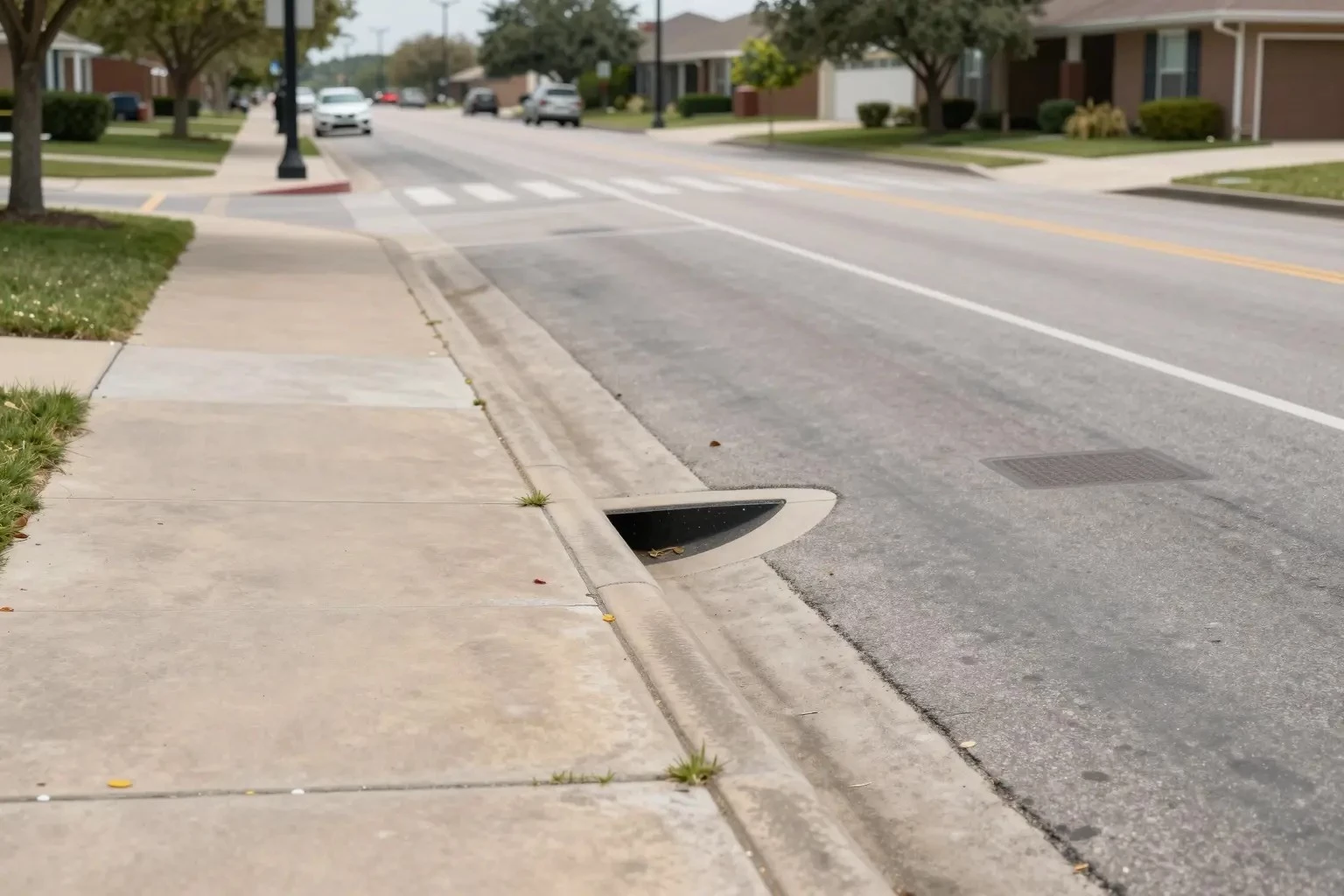
In the realm of urban planning and infrastructure development, the concept of accessibility plays a pivotal role. The implementation of curb ramps, often referred to as curb cuts, is a critical component that ensures pedestrian safety and mobility for all, including those with disabilities. This article delves into the intricacies of curb cuts, particularly focusing on their sharing and implementation by the Texas Department of Transportation (Texas DOT).
The Importance of Curb Ramps
Curb ramps are essential in making sidewalks accessible for individuals using wheelchairs, strollers, bicycles, and for those with limited mobility. They serve as an intersection between roads and sidewalks, providing a smooth transition that is crucial for ADA compliance—a requirement under the Americans with Disabilities Act.
ADA Compliance and Public Spaces
The ADA compliance mandates that public spaces, including sidewalks, must be accessible to all individuals. This includes the proper installation of curb ramps in strategic locations, ensuring that public spaces are inclusive and usable by everyone, regardless of their physical capabilities.
The Role of the Texas DOT
The Texas Department of Transportation plays a significant role in the development and maintenance of infrastructure across the state. This includes the planning and implementation of accessible public spaces and transportation facilities. The question arises, are curb cuts shared by the Texas DOT?
Sharing Responsibilities in Urban Planning
The responsibility for installing and maintaining curb ramps is often shared between various governmental bodies, including city planning departments and the Texas DOT. In urban areas, the integration of curb ramps into existing infrastructure involves a collaborative approach to urban planning and community design.
Challenges in Implementation and Compliance
Despite the clear guidelines, there are challenges in ensuring complete ADA compliance. These challenges include budget constraints, geographical limitations, and coordinating with multiple stakeholders. The Texas DOT, alongside local governments, works to overcome these barriers, ensuring that pedestrian safety and mobility are prioritized in city planning.
Pedestrian Safety and Mobility
Ensuring pedestrian safety is a fundamental goal of incorporating curb ramps into urban design. By offering seamless transitions between sidewalks and streets, curb ramps reduce the risk of accidents and improve the overall mobility of individuals.
Impact on Individuals with Disabilities
For individuals with disabilities, accessible curb ramps are not just a convenience but a necessity. They enable greater independence and ease of movement within urban environments. This underscores the importance of disability access in transportation policy and infrastructure development.
Community Design and Civil Engineering
Civil engineering plays a crucial role in the design and construction of curb ramps. The technical specifications require precise engineering to ensure that ramps are slope-compliant and durable. Collaborating with community design experts ensures that the ramps meet both functional and aesthetic requirements.
The Texas DOT’s Commitment to Accessibility
The Texas DOT is committed to advancing accessibility through strategic planning and implementation of curb ramps. By prioritizing these elements in their transportation policy, the Texas DOT aims to create a more inclusive and accessible environment for all Texans.