Tow Trucking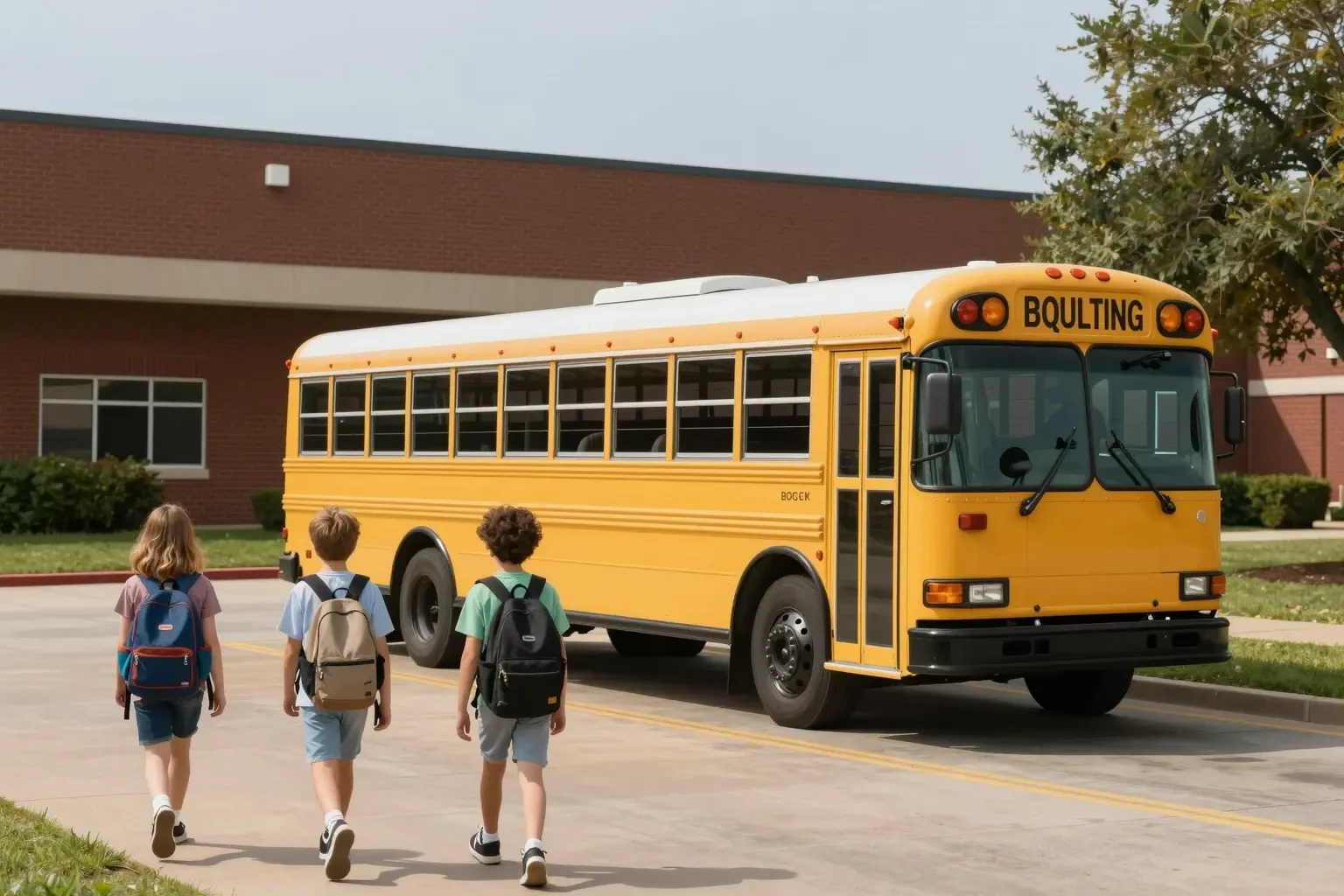
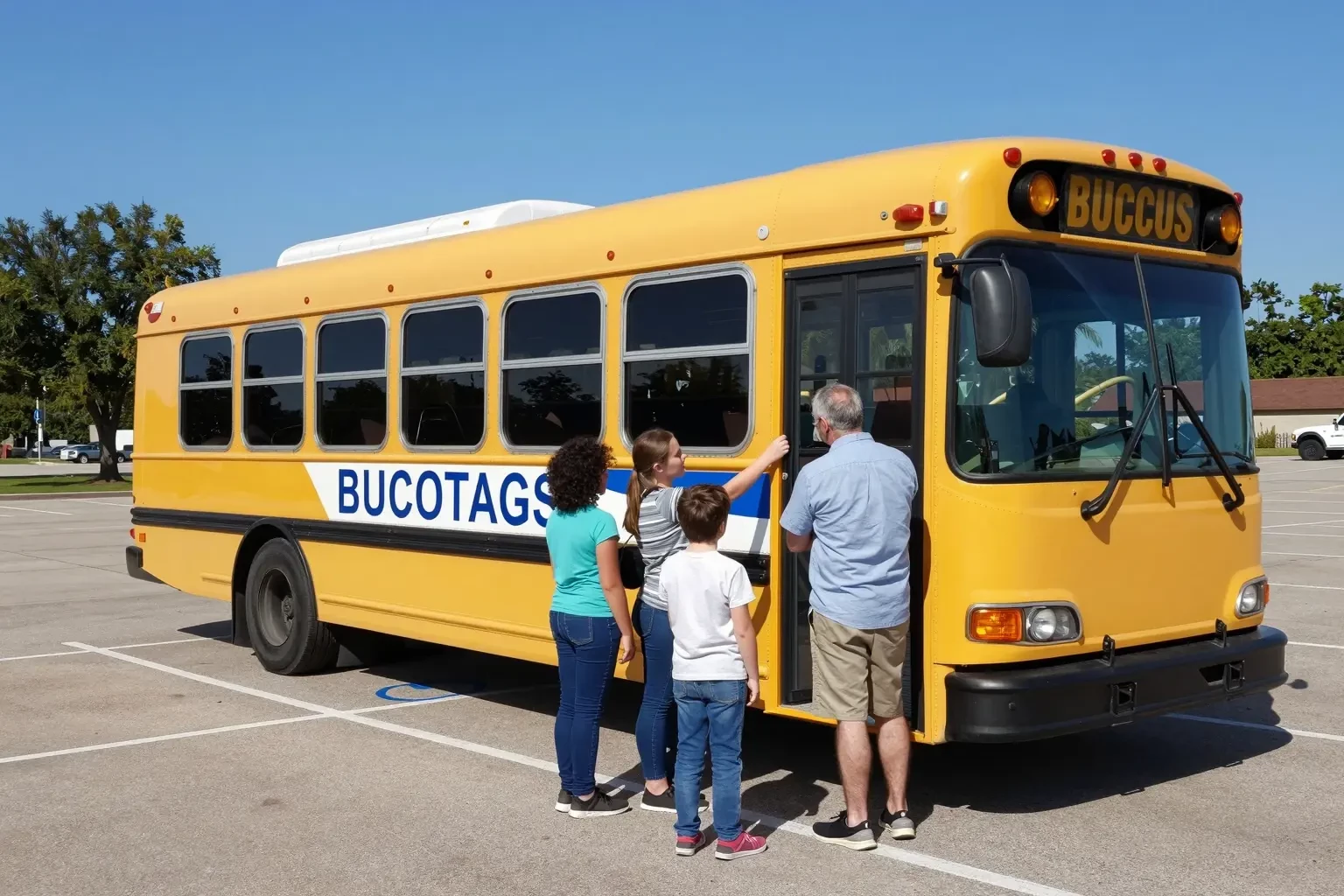
Bus transportation is a crucial component of the educational ecosystem, ensuring that students have access to education irrespective of their geographical location. In Texas, a state with vast rural and urban landscapes, the question of whether public schools are mandated to provide bus transportation is central to discussions on education policy and student equity.
Understanding the Role of Bus Transportation in Texas Public Schools
Transportation services in Texas public schools are governed by state law and education policy, which stipulate the conditions under which school districts must provide student transportation. The overarching goal is to promote school attendance and ensure equitable access to education across both rural and urban areas.
State Law and Transportation Requirements
According to Texas state law, school districts are not universally required to provide bus transportation for all students. However, transportation must be provided under certain conditions. For example, districts are required to offer transportation for students who live beyond a specified distance from their school, typically two miles or more. In such cases, bus transportation is necessary to facilitate access to education, especially when safety regulations deem walking impractical or hazardous.
Eligibility Criteria for Student Transportation
The eligibility criteria for bus transportation in Texas are primarily based on distance, but other factors such as special education needs, socioeconomic status, and safety considerations also play a role. School districts may establish their own additional criteria, provided they align with state policies and regulations. For instance, students living within two miles of the school may still qualify for transportation if they face hazardous walking conditions.
Challenges in Rural and Urban Areas
Texas’ diverse geography presents unique challenges for student transportation. In rural areas, the distance between students’ homes and schools can be significant, making bus transportation essential. Conversely, in urban areas, traffic congestion and safety concerns necessitate a comprehensive approach to managing school buses and routes. Both scenarios require school districts to carefully plan and allocate resources to meet transportation needs effectively.
Funding for Transportation Services
Funding for transportation services in Texas public schools is a critical factor influencing their availability and quality. The state provides funding to school districts based on a formula that considers factors such as the number of students transported and the distance traveled. However, funding can vary significantly between districts, affecting their ability to provide comprehensive transportation services.
School districts often face budget constraints that impact their capacity to maintain and expand their transportation fleets. Rising transportation costs, including fuel prices and vehicle maintenance, add further financial strain. Consequently, some districts may have to make difficult decisions about prioritizing transportation services based on their available budget.
Impact on School Attendance and Educational Equity
Reliable bus transportation significantly impacts school attendance, particularly for students in underprivileged areas. Without access to transportation, students may face barriers to attending school regularly, which can adversely affect their academic performance and overall educational outcomes. Ensuring that all students have access to transportation is crucial for promoting educational equity and improving student success rates.
Safety Regulations and School Buses
Safety regulations are a fundamental aspect of student transportation in Texas. School buses must comply with state and federal safety standards, ensuring that students are transported in a secure environment. These regulations cover various aspects, including vehicle maintenance, driver qualifications, and safety protocols. Compliance with these standards is vital to prevent accidents and ensure the well-being of students during transit.