Tow Trucking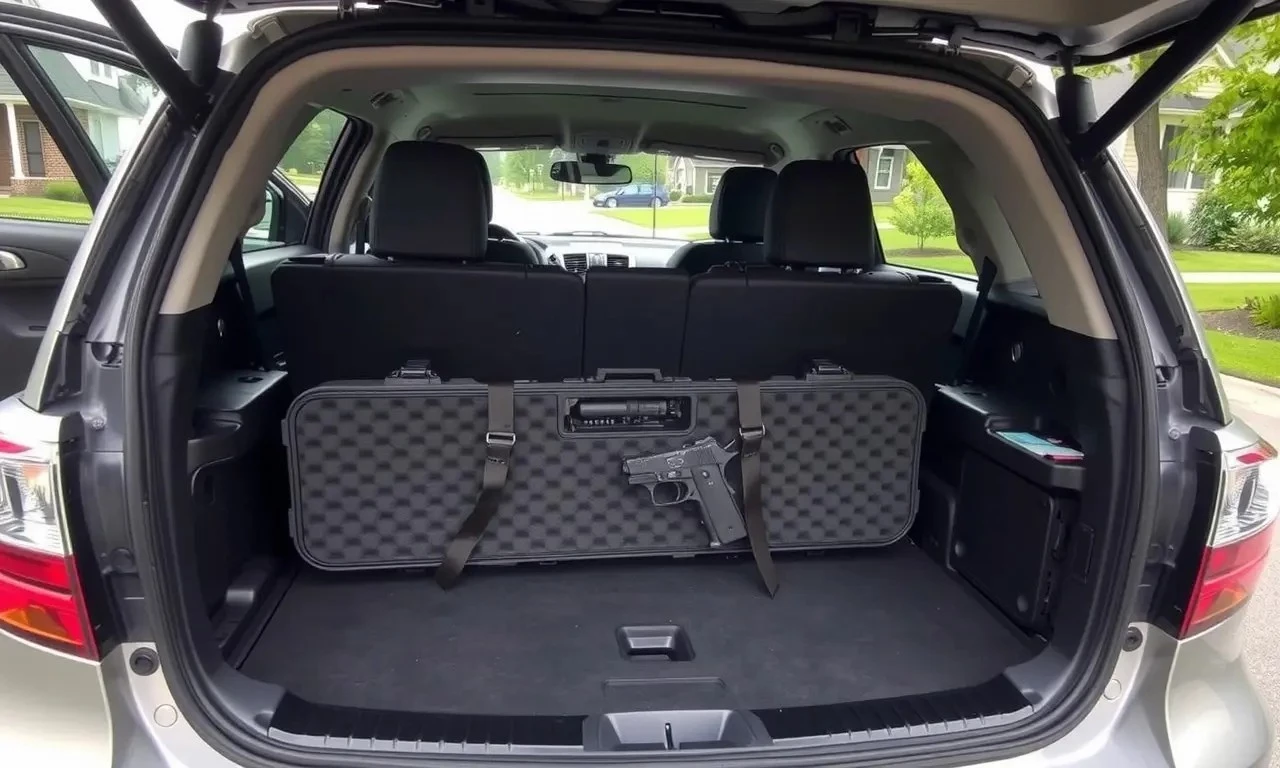
Transporting firearms in a vehicle is a common concern for gun owners, especially in Texas, where the laws surrounding firearm possession and transportation are specific and must be adhered to for safety and legal compliance. Understanding Texas law regarding firearm transportation, including concealed carry, open carry, and the legal requirements for handguns and rifles, is crucial for responsible gun ownership.
Texas Firearm Transportation Laws
In Texas, the transportation of firearms, whether handguns or rifles, is governed by specific regulations that dictate how these weapons can legally be carried in a vehicle. The key is understanding the distinction between open carry and concealed carry and how these concepts apply when firearms are transported in a vehicle.
Concealed Carry in Vehicles
Under Texas law, a person is allowed to carry a concealed handgun in their vehicle without a license, provided they meet certain conditions. The handgun must be concealed, meaning it should not be visible from outside the vehicle. The individual must not be engaged in criminal activity, be a member of a criminal gang, or be prohibited from possessing a firearm. Additionally, the person must be able to legally possess the firearm under both state and federal law.
Open Carry in Vehicles
Open carry of a handgun in a vehicle without a license is not permitted. However, with a valid license to carry (LTC), an individual may carry a handgun in a visible holster within the vehicle. This is a significant point of differentiation between open and concealed carry regulations.
Transportation of Rifles and Shotguns
Unlike handguns, rifles and shotguns do not require a permit to be carried openly in a vehicle. Texas law permits the transport of these firearms without specific restrictions on visibility. However, it is advisable to ensure the firearm is stored safely within the vehicle to prevent accidents and unauthorized access.
Legal Requirements and Regulations
- Firearms must be legally owned and registered if applicable under federal law.
- The firearm should be stored in a manner that ensures safety and prevents unauthorized access.
- It is recommended, though not required by Texas law, to store firearms in the trunk or a locked glove compartment.
- Ammunition should be stored separately from the firearm to enhance safety.
- Adhere to any local ordinances that may impose additional restrictions on firearm transportation.
Storage and Safety Considerations
Proper storage during transportation is not only a legal concern but also a matter of safety. Firearms should ideally be stored in a locked container or a secured area within the vehicle, such as a glove compartment or trunk, to prevent theft and ensure they are not accessible to unauthorized individuals. Keeping the firearm unloaded during transit, with ammunition stored separately, is recommended to prevent accidental discharge.
Loaded vs. Unloaded Firearms
While Texas law does not explicitly prohibit carrying a loaded firearm in a vehicle, many choose to transport firearms unloaded for added safety. This practice minimizes the risk of accidental discharge and is often recommended by safety experts.
Compliance and Licensing
While a license is not required to carry a concealed handgun in a vehicle in Texas if certain conditions are met, obtaining a License to Carry (LTC) can offer more flexibility and legal protection. This license allows individuals to carry handguns in more varied circumstances and can be beneficial for those who frequently transport firearms. Compliance with all applicable state and federal laws, including any necessary firearm registration, is essential.
Understanding and adhering to Texas laws regarding firearm transportation in vehicles is essential for all gun owners. By ensuring compliance with legal requirements, practicing safe storage, and considering the benefits of licensing, individuals can responsibly and legally transport firearms in their vehicles. Always stay informed about any changes in Texas law to maintain compliance and ensure the safe handling of firearms during transportation.
By following these guidelines, firearm owners can ensure that they are meeting the legal requirements for transporting firearms in Texas while prioritizing safety and security.