Tow Trucking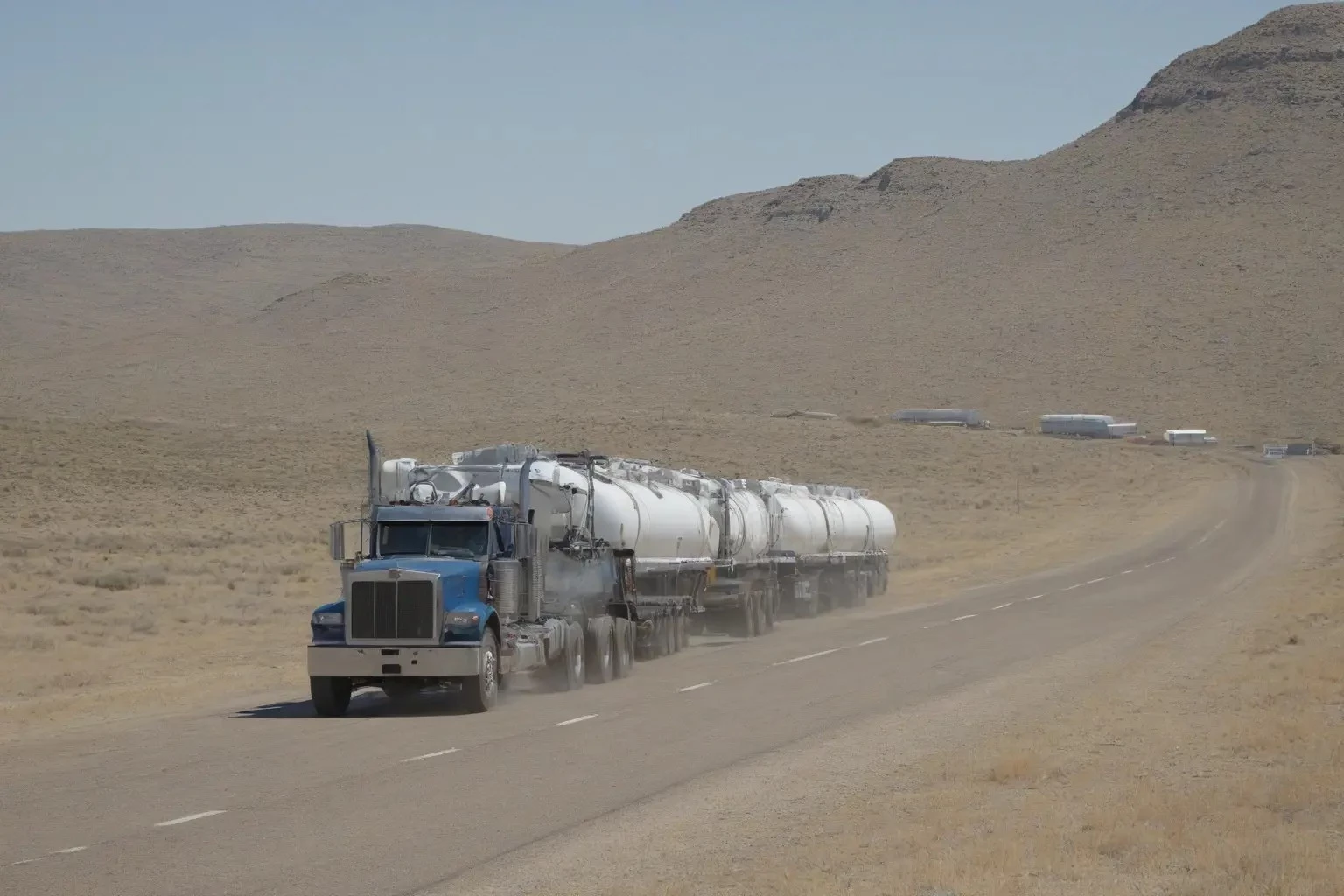
Transportation of chemicals, such as nitrogen, across state lines and particularly within Texas, involves a complex set of rules and regulations. Given the potential hazards associated with the transportation of nitrogen, understanding these rules is crucial for ensuring safety and legal compliance. This article delves into the legalities, safety considerations, and guidelines for transporting nitrogen in Texas.
Nitrogen: A Brief Overview
Nitrogen is a colorless, odorless gas that is a critical component in various industrial applications. It is commonly used in the chemical industry, food processing, and as a refrigerant. While nitrogen itself is non-toxic, it can displace oxygen in a confined space, posing asphyxiation risks. This characteristic categorizes it as a hazardous material under certain conditions.
Legal Framework for Transporting Hazardous Materials
In the United States, the transportation of hazardous materials is primarily regulated by the Department of Transportation (DOT). The Hazardous Materials Regulations (HMR) provide specific guidelines that must be adhered to ensure the safe and legal transport of such materials. These regulations apply to all modes of transportation, including trucking, which is the predominant method in Texas.
Department of Transportation Regulations
The DOT categorizes nitrogen under its hazardous materials list due to the potential risks involved. Compliance with DOT regulations involves several critical steps:
- Classification: Proper classification of nitrogen as a hazardous material is essential. This includes understanding its physical properties and potential hazards.
- Packaging: Nitrogen must be packaged in containers that meet DOT specifications to prevent leaks and ensure safety during transit.
- Labeling and Placarding: Containers must be appropriately labeled with hazard warnings to inform handlers and emergency responders of the potential risks.
- Documentation: Proper shipping papers, including a Material Safety Data Sheet (MSDS), must accompany the transport.
Transportation Regulations in Texas
Within Texas, the transportation of hazardous materials such as nitrogen is further governed by state-specific regulations. These regulations are designed to complement federal guidelines and address local safety and environmental concerns.
Permits and Compliance
Transporters of nitrogen in Texas must secure the necessary permits before engaging in transit. This process involves:
- Obtaining a Hazardous Materials Transportation Permit: Issued by the Texas Department of Public Safety (DPS), this permit is mandatory for transporting hazardous materials across the state.
- Compliance with Environmental Regulations: Ensuring that transportation activities do not harm the environment, complying with the Texas Commission on Environmental Quality (TCEQ) standards.
Safety and Logistics
Safety is paramount when transporting nitrogen. Companies must implement rigorous safety protocols, including:
- Training: Personnel involved in the transportation process must be trained in handling hazardous materials safely.
- Emergency Response Planning: Having a robust plan in place to handle potential accidents or spills can mitigate risks.
- Vehicle Safety: Ensuring that vehicles used for transport meet safety standards and are regularly inspected.
Environmental Considerations
The impact of nitrogen transportation on the environment is a significant concern. Proper handling and adherence to regulations help minimize potential negative effects. This includes ensuring that transportation does not contaminate air, soil, or water resources.
Compliance and Monitoring
Regular audits and compliance checks by the DOT and state agencies help ensure that transporters adhere to the necessary guidelines. Non-compliance can result in severe penalties, including fines and suspension of transportation permits.
In conclusion, transporting nitrogen legally in Texas is indeed possible, provided that all federal and state regulations are followed meticulously. The DOT’s guidelines, combined with Texas-specific requirements, provide a comprehensive framework for ensuring the safe and legal transportation of nitrogen. By obtaining the necessary permits, ensuring compliance with safety and environmental standards, and implementing effective logistics strategies, transporters can operate within the legal boundaries while safeguarding both human health and the environment.
Understanding the legalities and regulations surrounding nitrogen transportation not only enhances operational efficiency but also contributes to a safer and more sustainable logistics industry in Texas.