Tow Trucking
The transportation of rescue dogs from Texas to the Northeast is a complex and coordinated effort involving numerous dedicated individuals and organizations. This process not only saves the lives of countless dogs but also provides them with a chance at a new beginning through adoption. The journey encompasses various aspects such as logistics, safety, and the collaboration of non-profit organizations, all working tirelessly to ensure a smooth transition for these animals;
The Need for Relocation
Texas has a high population of homeless dogs, and many shelters are overwhelmed by the sheer number of animals in need of care. In contrast, the Northeast often has fewer dogs available for adoption, creating an opportunity to relocate animals from areas of high supply to those with higher demand. This relocation effort is a vital component of animal welfare, aiming to balance the disparities in shelter populations across regions.
Logistics and Planning
Transporting dogs over long distances requires meticulous planning and coordination. Volunteer teams work with non-profit organizations to map out the journey, ensuring that every aspect of the trip is accounted for. This includes arranging for suitable vehicles, securing travel routes, and planning for rest stops along the way.
Ensuring Safety and Well-being
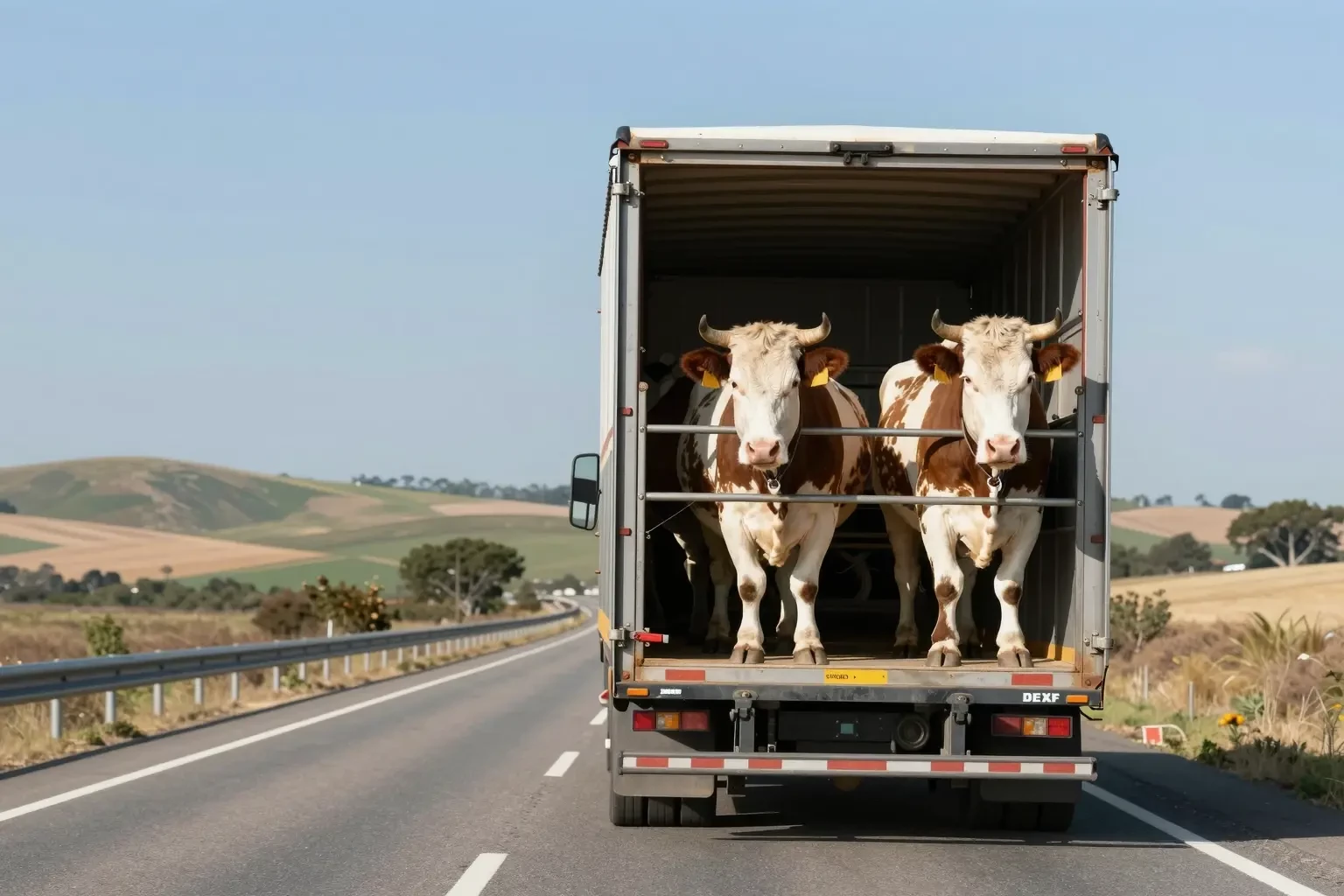
Safety is a top priority during the relocation process. Dogs are placed in sturdy pet carriers or crates, which are secured within the transportation vehicles. These vehicles are often equipped with climate control systems to maintain a comfortable environment for the animals. Regular stops are scheduled to check on the dogs and allow for necessary breaks.
Veterinary Care and Preparation
Before embarking on their journey, rescue dogs undergo thorough veterinary care. This includes vaccinations, health assessments, and any necessary treatments to ensure they are fit for travel. Veterinary professionals work closely with rescue organizations to provide documentation and address any health concerns prior to departure.
The Role of Volunteers and Organizations
Volunteers play a crucial role in every step of the relocation process. From coordinating logistics to providing hands-on care during the journey, their dedication is instrumental in the success of rescue missions. Many non-profit organizations partner with local shelters to facilitate these transports, pooling resources and expertise to achieve common goals.
Partnerships and Collaboration
Effective partnerships between shelters, rescue groups, and animal welfare organizations are essential. These collaborations enable the sharing of information, resources, and strategies to optimize the relocation process. By working together, these groups can overcome challenges and ensure that as many dogs as possible are given a chance for adoption in the Northeast.
Fostering and Rehabilitation
Upon arrival in the Northeast, many dogs are placed in foster homes where they receive additional care and rehabilitation. Fostering provides a nurturing environment where dogs can acclimate to new surroundings and recover from any trauma they may have experienced. It is also a crucial step in preparing them for permanent adoption.
Challenges and Solutions
While the relocation of rescue dogs is a life-saving endeavor, it is not without its challenges. Funding, logistical hurdles, and the need for continuous volunteer support are ongoing concerns; However, through creativity, dedication, and the unwavering commitment of those involved, these challenges are met with innovative solutions.
Funding and Support
Non-profit organizations rely heavily on donations and fundraising efforts to support rescue missions. Community involvement and public awareness are key to generating the necessary funds to cover transportation costs, veterinary care, and other expenses. Many organizations also benefit from corporate partnerships and sponsorships.
Innovative Approaches to Transportation
Organizations are continually seeking new methods to improve the efficiency and safety of dog transportation. Advances in technology, such as GPS tracking and real-time communication, enhance coordination efforts and allow for quick responses to any issues that may arise during travel.
The Impact of Rescue Missions
The successful relocation of rescue dogs from Texas to the Northeast has a profound impact on both the animals and the communities involved. For the dogs, it means a second chance at life and the possibility of finding a loving forever home. For the communities, it is an opportunity to support animal welfare and engage in compassionate action.
Adoption and Community Engagement
Adoption events and awareness campaigns in the Northeast are essential for connecting rescue dogs with potential families. These efforts not only promote adoption but also foster a culture of animal welfare and responsible pet ownership within the community.
The Future of Rescue Efforts
As rescue missions continue to evolve, the focus on collaboration, innovation, and education remains strong. By strengthening existing partnerships and exploring new opportunities, rescue organizations aim to increase the number of dogs saved and ultimately reduce the need for relocation through initiatives like spay/neuter programs and community education.